

Measuring the impact of your hair treatments on the scalp microbiome
Scalp microbiome and pharmaceuticals
The scalp microbiome: a key ecosystem for skin health
The scalp microbiome is a complex and dynamic ecosystem composed of bacteria, yeasts, and other microorganisms that interact closely with the skin and hair follicles.
The genera Cutibacterium, Staphylococcus, and Malassezia dominate this flora and perform several essential functions:(1–3)
- Sebum regulation
- Protection against pathogens
- Skin homeostasis
When this balance is disrupted, dysbiosis can promote the onset of pathologies: (3,4)
Dandruff: excessive proliferation of Malassezia and hyperproduction of sebum leading to flaking and irritation.
Seborrheic dermatitis: imbalance between Cutibacterium acnes and Malassezia associated with chronic inflammation.
Alopecia: reduction in acnes and follicular inflammation observed in certain forms of hair loss.
Preserving this microbial balance is therefore a major challenge for pharmaceutical companies developing topical treatments, medical devices, or dermatological formulas for the scalp.
Sources :
1. Townsend N, Hazan A, Dell’Acqua G. New Topicals to Support a Healthy Scalp While Preserving the Microbiome: A Report of Clinical and in Vitro Studies. J Clin Aesthetic Dermatol. oct 2023;16(10 Suppl 1):S4‑11.
2. Shah RR, Larrondo J, Dawson T, Mcmichael A. Scalp microbiome: a guide to better understanding scalp diseases and treatments. Arch Dermatol Res. 29 juill 2024;316(8):495.
3. Mayer W, Weibel M, De Luca C, Ibragimova G, Trakhtman I, Kharaeva Z, et al. Biomolecules of Fermented Tropical Fruits and Fermenting Microbes as Regulators of Human Hair Loss, Hair Quality, and Scalp Microbiota. Biomolecules. 20 avr 2023;13(4):699.
4. Mayser P, Genrich F, Meunier L, Nordzieke S. Scalp Microbiome and Dandruff—Exploring Novel Biobased Esters. Cosmetics. oct 2024;11(5):174.
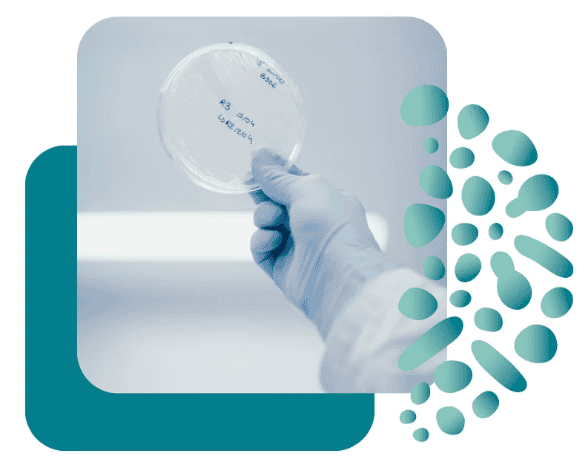
At BYOME LABS, we study these communities in vitro conditions that faithfully reproduce the scalp environment
- Culture of strains representative of the scalp microbiome (Cutibacterium acnes, Staphylococcus epidermidis/aureus, Malassezia globosa/restricta).
- Reproduction of specific dysbiosis: dandruff, seborrheic dermatitis
These approaches contribute to understanding the microbial mechanisms involved in scalp pathologies and guide the development of more selective and better tolerated treatments.
Our tests are designed to support the R&D and regulatory teams of pharmaceutical companies in the design and validation of solutions for the scalp.
At BYOME LABS, we:
- Let’s measure the impact of your products or ingredients on the scalp microbiome, including biofilm, the natural form of bacteria.
- Let’s use customizable in vitro models, incorporating parameters such as the addition of artificial sebum, the simulation of microbial imbalances, and the measurement of post-treatment microbial diversity.
- We provide robust results that can be used for your regulatory dossiers and clinical demonstrations.
With 20 years of expertise in skin microbiology, we are skilled in the culture of demanding microorganisms (malassezia) and implement culturomics approaches based on the latest data.
Our goal: to transform your scientific evidence into actionable data, whether to demonstrate a preventive, corrective, or restorative action on the microbial homeostasis of the scalp.
Foire aux questions
-
Why test a treatment on the scalp microbiome?
To prove that it respects or rebalances the flora, reduces skin disorders, and optimizes hair health.
-
Can you simulate seborrheic dermatitis?
Yes, we reproduce typical scalp dysbiosis in vitro in order to evaluate the corrective efficacy of the product.
-
How long does it take to get the results?
On average, 2 to 4 weeks depending on the protocol.
Byome Labs, French expert in the pharmaceutical scalp microbiome
Measure the impact of your hair treatments on the scalp microbiome.
Testable products and applications
- Pharmaceutical shampoos and lotions
- Anti-dandruff treatments for medical use
- Dermatological hair loss serums
- Pharmaceutical active ingredients (probiotics, prebiotics, sebum-regulating agents, etc.)
Microbiology laboratory and R&D center – Clermont-Ferrand
We work exclusively with:
Pharmaceutical companies
Manufacturers of dermatological medical devices
Suppliers of active ingredients
Benefits for your projects
- Scientific evidence tailored to the pharmaceutical market
- Regulatory support and product differentiation
- Risk reduction in clinical development
- Reliable data for your microbiome-friendly claims
- Assessment of the corrective effect in cases of dysbiosis
Move on to in vitro microbiome analysis
Are you developing a dermatological hair treatment or a pharmaceutical active ingredient?
Contact Byome Labs for a customized analysis protocol.