
Explore the bacterial balance of the oral cavity to develop innovative, safe and effective treatments.
Today, we know that the oral microbiome is a complex ecosystem comprising more than 700 species of bacteria, viruses, fungi, protozoa and archaea, interacting with each other to maintain harmonious coexistence. This balance is essential for preventing conditions such as tooth decay, gingivitis, periodontitis and halitosis, commonly known as bad breath.
For brands developing toothpaste, mouthwash, chewing gum or medical devices, it is crucial to understand the impact of their formulas on this ecosystem. BYOME LABS supports manufacturers in analysing oral microbial composition to understand and prove the impact of their products on this microbiome.
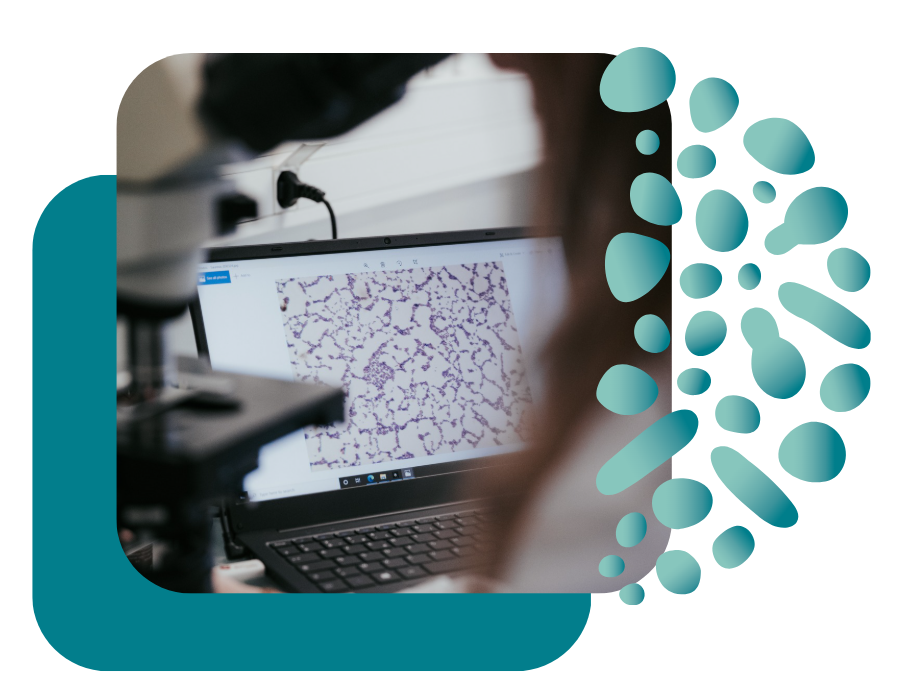
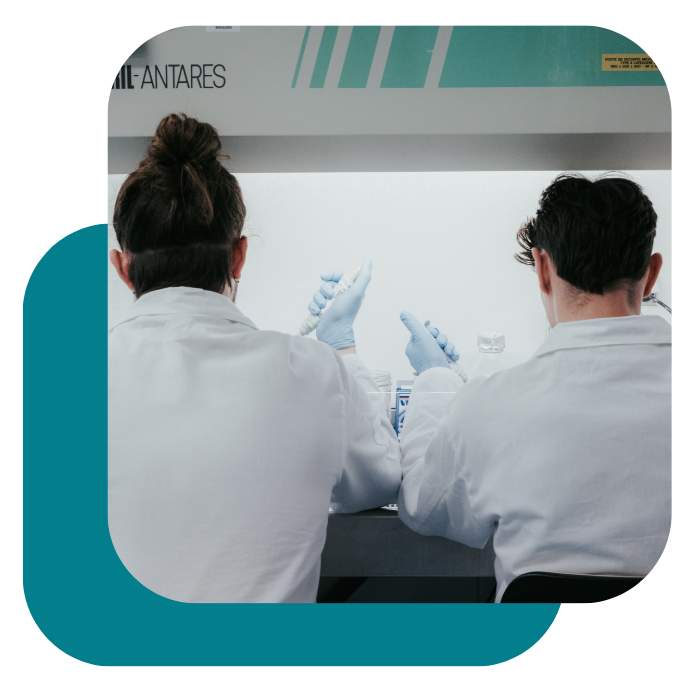
From sampling to interpretation, every step is supervised by our experts.
Marie, distributor of specialty ingredients
Sandra, DEMAIN BEAUTY
Coralie Sabatier, BOPLUME
Sébastien, cosmetics group
Scientifically test its impact on the oral microbiome
Your questions about the oral microbiome


Would you like to make an appointment or get more information?
You can reach us by filling in the contact form opposite or by e-mail at : info@byomelabs.com
BYOME LABS
Cité de l’Innovation
7 rue Auguste Rodin
28630 LE COUDRAY
This site is protected by reCAPTCHA and the Google Privacy Policy and Terms of Service apply.
The oral cavity hosts a complex and dynamic ecosystem: the oral microbiome. Comprising hundreds of microbial species, including bacteria, viruses, fungi, and archaea, this invisible ecosystem plays a key role in your oral health and influences your overall well-being.
The oral microbiome represents the collection of microorganisms colonizing your oral cavity. With over 700 identified species, this microbial community forms the second most diverse ecosystem in the human body after the gut (1,2).
Although dominated by major genera such as Streptococcus and Veillonella, the oral microbiome is distinguished by its richness and diversity. These microorganisms interact with each other and with their host to maintain a harmonious coexistence. This balance, known as eubiosis, is essential for preventing oral diseases such as cavities, gingivitis, and periodontitis (3).
The oral cavity provides ideal conditions for microbial proliferation due to several specific characteristics:
Varied surfaces: teeth, tongue, palate, cheeks, and gums create distinct ecological niches.
Constant hydration: saliva and gingival fluid supply nutrients and protection.
Regular food intake: ensures a steady supply of diverse nutrients suitable for many microorganisms.
Biofilm formation: mainly on dental surfaces, these complex structures develop throughout life.
Neutral pH: supports the growth of numerous microbial species.
Stable temperature: around 37°C, optimal for microbial proliferation.
This unique combination of hard surfaces (teeth) and mucosal areas (tongue, lips, cheeks, palate) creates distinct microenvironments where different microbial communities can thrive (1,2).
The oral microbiome plays several vital roles in oral and overall health (1):
Protection against pathogens: Commensal bacteria in the oral microbiome form a natural barrier against harmful microbes. They inhibit pathogen colonization by producing antimicrobial substances and occupying dental and mucosal surfaces, creating competition (1).
Participation in digestion: Oral microorganisms initiate digestion by helping break down food and transforming certain nutrients. This first digestive step influences the entire downstream digestive process.
Regulation of local immunity: The oral microbiome educates and modulates the local immune system, maintaining tolerance toward beneficial bacteria while remaining alert to pathogens.
Oral biofilms: between protection and pathology: In the mouth, microorganisms naturally organize into biofilms that attach to teeth, tongue, gums, or cheeks. These complex three-dimensional structures protect bacteria and facilitate their interactions.
Balanced biofilms: When thin and diverse, biofilms actively contribute to oral health by maintaining microbiome balance.
Pathogenic dental plaque: If oral hygiene is insufficient, biofilms accumulate and form dental plaque, promoting the growth of pathogenic bacteria and potentially leading to various oral diseases (3).
Oral dysbiosis: when balance is disrupted
In the mouth, microorganisms naturally organize into biofilms that attach to teeth, tongue, gums, or cheeks. When these biofilms remain thin and balanced, they contribute to oral health. However, insufficient oral hygiene allows biofilms to accumulate and form dental plaque. If not removed, this plaque promotes the growth of pathogenic bacteria and can lead to diseases such as cavities, gingivitis, or periodontitis (3).
An imbalance in the oral microbiome can cause several major oral health disorders (3):
Dental caries: Cavities result from the fermentation of sugars by Streptococcus sp. and Lactobacillus. These bacteria produce acids that gradually demineralize tooth enamel, creating cavities (3).
Periodontal diseases:
Gingivitis: Inflammation of the gums caused by excessive bacterial plaque accumulation. Bacteria such as Actinobacillus, Porphyromonas gingivalis, and Treponema denticola are particularly involved.
Periodontitis: A severe infection of the supporting tissues of the teeth that can lead to tooth loss. The “red complex” bacteria (Porphyromonas gingivalis, Tannerella forsythia, and Treponema denticola) play a central role in this disease (3).
Chronic halitosis (bad breath): Chronic bad breath results from protein degradation by anaerobic bacteria such as Fusobacterium, Prevotella, Porphyromonas, Veillonella, Peptostreptococcus, and Tannerella. This degradation produces volatile sulfur compounds responsible for unpleasant odors (2). These bacteria mainly proliferate in:
The back of the tongue
Interdental spaces
Gingival pockets in cases of periodontitis
Oral candidiasis: This fungal infection caused by Candida albicans often occurs in immunocompromised individuals or during prolonged antibiotic therapy, highlighting the importance of maintaining a balanced oral microbiome.
Targeted antimicrobial solutions
Mouthwashes containing chlorhexidine gluconate play an important role in managing conditions involving pathogenic biofilms and excessive dental plaque. Chlorhexidine has antibacterial activity that inhibits the growth of Streptococcus spp. and other microorganisms responsible for biofilm accumulation in the mouth (4).
Additionally, it persists for a long time after use, helping to reduce oral inflammation and infections. Fluoride rinses strengthen tooth enamel and promote remineralization, reducing the risk of acid-induced degradation by bacteria.
Probiotic approach
Probiotics represent a promising strategy to maintain oral microbiome balance. Certain Lactobacillus and Bifidobacterium strains can promote a healthy microbiome by inhibiting the growth of pathogenic bacteria responsible for oral diseases such as gingivitis and periodontitis (1).
Probiotics exert their beneficial effects through several mechanisms:
Competition for adhesion sites: occupying surfaces where pathogens could attach
Production of antimicrobial compounds: releasing substances that inhibit harmful bacteria
Enhancement of local immunity: stimulating the production of immunoglobulin A (IgA)
By combining probiotics, mouthwashes, and good oral hygiene, it is possible to prevent the formation of pathogenic biofilms and maintain a healthy mouth.
At BYOME LABS, we use innovative in vitro tests to analyze and preserve the balance of the oral microbiome. With 20 years of expertise in microbiology, we can precisely assess the impact of your oral care products on this complex ecosystem.
We test your formulations (toothpastes, mouthwashes, gels) on representative panels of the oral microbiome, including both commensal and pathogenic species. Our unique culturomics approach evaluates their impact on biofilms, the natural form of microbial organization in the oral cavity. We study the effects of cosmetic and pharmaceutical products on the oral microbiome.
Our exclusive protocols allow us to identify formulations that maintain eubiosis while limiting the growth of pathogens. We support brands in developing targeted and effective solutions to restore a healthy oral microbiome and prevent oral diseases.
Our models include the use of artificial saliva, simulation of food intake, and biofilm formation on surfaces mimicking tooth material to closely replicate the oral environment.
Leading oral care brands trust us to validate their “microbiome-friendly” claims and develop products that respect this essential balance.
A deeper understanding of the oral microbiome is transforming the development of oral hygiene products. Consumers now seek solutions that preserve and nurture this fragile ecosystem rather than eliminate it indiscriminately.
Future innovations will combine prebiotics, probiotics, and targeted actives to maintain oral microbiome homeostasis. This personalized approach represents the future of preventive and therapeutic oral care.
Ready to validate the impact of your products on the oral microbiome? Contact our experts for a customized assessment and position your formulations as truly microbiome-friendly.

Notre site utilise des cookies pour améliorer votre expérience de navigation. En continuant à utiliser notre site, vous acceptez notre utilisation de cookies conformément à notre politique de confidentialité.

